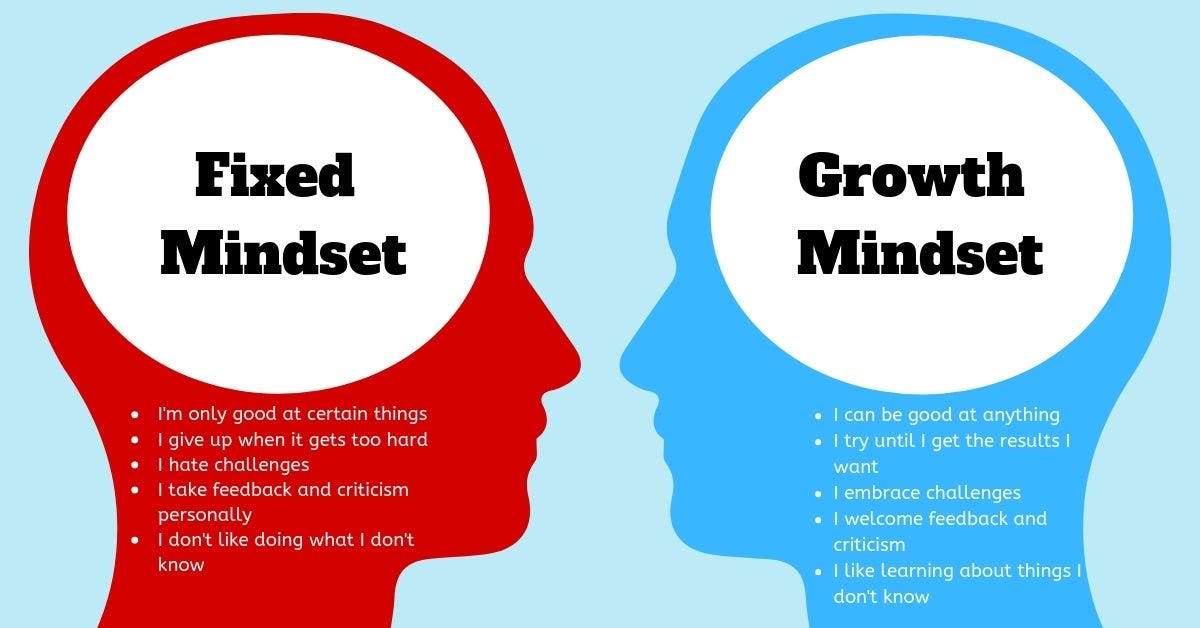
Human learning behavior has been widely studied in psychology, education science, and cognitive development research. One of the most influential ideas in this field is the understanding that intelligence and abilities are not fixed traits but can be developed through effort, experience, and persistence. This scientific perspective has reshaped modern learning strategies and personal development approaches. At the center of this understanding is the growth mindset theory, which explains how belief systems directly influence learning outcomes, motivation, and long-term success.
What is growth mindset theory in scientific terms?
Growth mindset theory is based on the idea that cognitive abilities and intelligence can improve over time when individuals engage in consistent learning and effort-based practice. From a scientific perspective, it focuses on neuroplasticity, which is the brain’s ability to form new connections and adapt based on experiences.
This means that learning is not limited by natural ability alone. Instead, repeated effort, practice, and exposure to challenges can physically reshape how the brain processes information, leading to improved performance over time.
How does the brain support learning and improvement?
Neuroscience research shows that the brain changes structurally when learning occurs. When individuals practice a skill repeatedly, neural pathways become stronger and more efficient.
This process helps explain why effort and repetition are essential for mastery. Each time a person learns something new or corrects a mistake, the brain builds stronger connections, making future learning easier and faster. This biological adaptability supports the foundation of growth mindset theory.
Why is effort considered more important than natural talent?
While natural ability may provide an initial advantage, long-term success is often determined by effort and consistency. Scientific observations show that individuals who invest more time in practice tend to outperform those who rely only on innate talent.
Effort leads to experience, and experience leads to improvement. Over time, this continuous cycle of learning and correction becomes more valuable than starting ability. This is why growth mindset theory places strong emphasis on persistence and dedication.
How does feedback influence learning according to the theory?
Feedback plays a crucial role in improving performance. When individuals receive feedback, they gain information about what is working and what needs adjustment.
From a psychological perspective, feedback helps refine behavior and accelerate learning. People who adopt a growth mindset tend to interpret feedback as useful guidance rather than criticism. This allows them to make improvements more effectively and maintain motivation.
What role does failure play in growth mindset theory?
Failure is considered a natural and necessary part of the learning process. In scientific terms, failure provides error signals that help the brain adjust and improve future actions.
When individuals analyze their mistakes, they gain valuable insights that contribute to better strategies. Instead of being discouraged, they use failure as data for improvement. This approach strengthens resilience and supports continuous development.
How does motivation connect with growth mindset theory?
Motivation is closely linked to belief systems. When individuals believe that effort leads to improvement, they are more likely to stay motivated during challenges.
This internal motivation is stronger and more sustainable than external rewards alone. It encourages individuals to persist even when progress is slow, which is a key factor in achieving long-term goals.
How does the theory explain differences in learning behavior?
Growth mindset theory explains that differences in learning behavior are often influenced by beliefs rather than ability alone. Individuals who believe they can improve tend to engage more actively in learning tasks.
They are more likely to take on challenges, ask questions, and explore new strategies. In contrast, individuals with fixed thinking patterns may avoid difficulty, limiting their learning opportunities. This difference in mindset directly affects performance outcomes.
What scientific evidence supports growth mindset theory?
Research in educational psychology and neuroscience supports the idea that effort and practice lead to measurable improvement in skills. Studies on learning behavior show that students who adopt a growth-oriented approach often achieve higher levels of academic success.
Brain imaging studies also indicate that learning experiences physically change neural activity. These findings support the concept that intelligence is adaptable rather than fixed.
How does stress affect learning under growth mindset theory?
Stress can either hinder or enhance learning depending on how it is interpreted. When individuals view challenges as opportunities, stress becomes a motivating factor rather than a barrier.
A growth mindset helps individuals regulate emotional responses, allowing them to stay focused under pressure. This improves problem-solving ability and supports better performance in demanding situations.
How does practice influence skill development?
Practice is one of the most important components of learning. Repeated exposure to a skill strengthens neural pathways, making tasks easier over time.
Growth mindset theory emphasizes deliberate practice, where individuals focus on improving specific weaknesses. This structured approach leads to faster and more effective skill development compared to passive learning.
How does mindset affect long-term achievement?
Long-term achievement is influenced by consistency, adaptability, and learning behavior. Individuals with a growth mindset are more likely to maintain effort over extended periods.
They view progress as a gradual process rather than an immediate outcome. This perspective helps them stay committed to their goals, even when results are delayed.
Why is adaptability important in learning science?
Adaptability allows individuals to adjust strategies based on new information. From a scientific perspective, adaptable learners are more efficient because they can modify their approach when needed.
This flexibility improves problem-solving skills and supports continuous improvement. Growth mindset theory highlights adaptability as a key factor in long-term success.
How does growth mindset theory apply to everyday life?
In everyday situations, growth mindset theory explains how individuals approach challenges, learn new skills, and handle setbacks. Whether learning a new job skill or solving a personal problem, effort-based thinking leads to better outcomes.
People who apply this mindset tend to stay calm under pressure, learn from experience, and continue improving over time. This makes the theory highly relevant beyond academic settings.
Conclusion
Growth mindset theory provides a scientific explanation for how learning, effort, and belief systems influence success. It shows that intelligence and skills are not fixed but can be developed through consistent practice and adaptation. By understanding how the brain responds to learning and experience, individuals can adopt more effective strategies for growth. Over time, this leads to stronger motivation, better resilience, and improved performance in all areas of life.