Thailand doesn’t get the same sourcing attention as China, Vietnam, or India, but it holds a strong position in a handful of categories where precision and established supply chains matter: automotive parts, electronics components, food processing, and rubber and plastic goods. Buyers sourcing in these categories often find Thai factories operate with a level of process discipline that’s closer to Japanese manufacturing standards than to some of its regional neighbors, which isn’t surprising given how much Japanese automotive and electronics investment has shaped the country’s industrial base over the past few decades.
That said, “closer to Japanese standards” doesn’t mean quality control becomes optional. It means the checkpoints shift slightly from what buyers focus on elsewhere.
Where quality control effort pays off
Automotive parts and electronics components manufacturing in Thailand generally involves tighter tolerances and more automated production than garment or handicraft manufacturing does. This shifts the inspection focus away from visual defect checking and toward dimensional accuracy, material certification, and functional testing. A general consumer goods inspector without technical training may not catch the issues that matter most in these categories, so confirming an inspection company’s technical capability before booking is worth the extra question.
Food processing is another significant Thai export category, and this brings its own compliance layer: food safety certification, cold chain verification for perishable goods, and documentation that satisfies destination country import requirements, which vary significantly between the US, EU, and other markets.
Rubber and plastic goods manufacturing, including automotive rubber components, benefits from during production inspection more than most categories, since material consistency issues in molded and extruded products are far cheaper to catch mid-run than after a full batch has been produced with the wrong material mix.
The Bangkok and Eastern Seaboard concentration
Most of Thailand’s export manufacturing sits in and around Bangkok and the Eastern Seaboard provinces of Chonburi and Rayong, an area shaped heavily by decades of foreign direct investment in automotive and electronics assembly. This geographic concentration is actually useful for buyers: inspection companies with a base in this region can typically reach most factories within a day, which keeps inspection turnaround times short compared to sourcing markets where suppliers are spread across a wider area.
What inspectors commonly flag
Documentation gaps show up more than outright product defects in Thailand-sourced goods, particularly around material certification and country-of-origin paperwork. Getting this right matters for buyers using preferential trade agreements, since incomplete documentation can hold up customs clearance even when the product itself is fine.
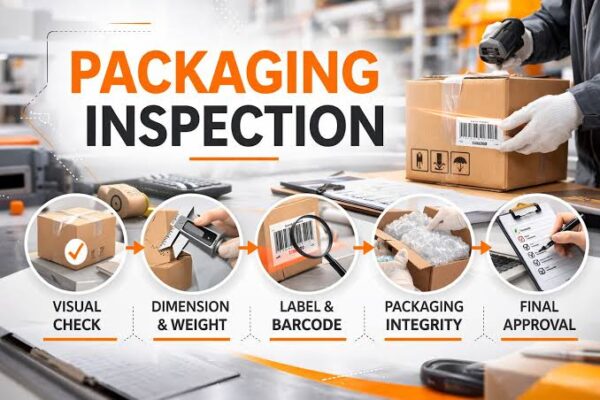
Packaging for export shipping is another recurring finding, similar to patterns seen elsewhere in Southeast Asia: cartons built for a factory’s domestic distribution network don’t always survive an ocean freight journey without reinforcement.
Building an inspection plan for Thailand sourcing
For technical categories like automotive parts and electronics, prioritize a factory audit that specifically verifies quality management certification and testing equipment on site, not just general production capability. Add a pre-shipment inspection with dimensional checks against your engineering drawings rather than relying on a general visual inspection alone.
For food and consumer goods categories, build compliance documentation checks directly into your inspection scope from the start, since these requirements are harder to fix retroactively than a product defect is.
Quality Control in Thailand rewards buyers who match their inspection approach to the technical nature of what they’re sourcing. A general QC checklist built for garment manufacturing won’t catch what matters in an automotive parts factory, and the reverse is equally true.
What You Need to Know
- Thailand is recognized for its strong manufacturing capabilities in automotive parts, electronic components, food processing, and rubber and plastic goods.
- Manufacturing in Thailand often adheres to process disciplines that align more closely with Japanese standards, influenced by significant Japanese investment in the region.
- Quality control in Thai automotive and electronics manufacturing emphasizes dimensional accuracy and functional testing rather than solely visual inspections.
- The majority of Thailand’s export manufacturing is concentrated around Bangkok and the Eastern Seaboard, facilitating efficient inspection turnaround times.
- Documentation gaps, particularly regarding material certification and country-of-origin paperwork, are more frequently flagged during inspections of Thai goods than actual product defects.
- Effective inspection planning in Thailand should include specific checks for quality management certification and compliance documentation from the outset.