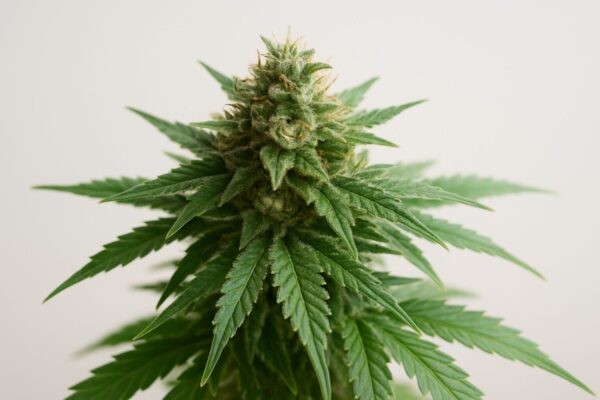
Cannabis terminology often begins with two familiar categories that have shaped how varieties are discussed for decades. The traditional Sativa vs Indica distinction offers a basic framework for describing differences in plant structure, growth behavior, and genetic heritage. Although contemporary cannabis breeding has introduced many overlapping and hybrid characteristics, these classifications remain useful for understanding the language commonly associated with cannabis varieties and product descriptions.
Table of Contents
- What Does the Sativa Classification Traditionally Describe?
- What Defines the Traditional Indica Classification?
- Why Are Sativa and Indica Called Classifications?
- How Do Plant Structures Compare?
- What Role Does Flower Development Play?
- How Do Cannabinoids Fit Into Classification?
- Why Are Terpenes Important?
- Where Do Hybrid Strains Fit?
- Are Traditional Classifications Still Useful?
- How Has Modern Breeding Changed These Categories?
- What Should Consumers Remember?
- Conclusion
What Does the Sativa Classification Traditionally Describe?
Sativa traditionally refers to cannabis plants recognized for their taller and more open growth patterns. They generally feature narrower leaves, longer branches, and greater vertical development.
These physical traits can influence cultivation requirements, particularly in relation to available space and flowering schedules. Sativa-associated genetics have historically been valued for their distinctive botanical structure and diverse range of cultivars.
What Defines the Traditional Indica Classification?
Indica is generally associated with shorter, compact cannabis plants. Broader leaves, dense foliage, and closely spaced branches are among the characteristics traditionally connected with this classification.
The compact structure can be advantageous in controlled growing environments. Indica-associated genetics have also traditionally been linked with comparatively shorter flowering periods, although individual cultivars can display considerable variation.
Why Are Sativa and Indica Called Classifications?
The terms originated from botanical descriptions intended to distinguish cannabis plants with different physical and geographic characteristics. Over time, their use expanded beyond botany into cultivation, breeding, and consumer-facing product terminology.
Today, these labels can describe broad genetic tendencies rather than precise scientific categories for every modern cultivar.
How Do Plant Structures Compare?
Plant architecture is one of the easiest traditional differences to recognize. Sativa-associated plants generally grow upward with a more open structure, while indica-associated plants tend to develop a shorter and denser form.
Leaf shape also contributes to the visual distinction. Sativa plants commonly display narrower leaflets, whereas indica plants are traditionally recognized by broader leaves.
Environmental conditions can influence these characteristics, so appearance alone does not establish a plant’s complete genetic identity.
What Role Does Flower Development Play?
Flower structure can vary considerably among cannabis cultivars. Traditional indica genetics are often associated with compact, dense flowers, while sativa genetics may produce more elongated structures.
Modern hybrids can combine these characteristics, resulting in flowers that do not fit neatly into either traditional description. Genetics, cultivation methods, environmental conditions, and post-harvest practices all contribute to the finished appearance.
How Do Cannabinoids Fit Into Classification?
Cannabinoids add another dimension to understanding cannabis. THC and CBD are among the most familiar compounds found in cannabis, and their concentrations can vary widely among individual cultivars.
A traditional sativa or indica classification does not automatically establish a product’s cannabinoid content. Examining cannabinoid information provides a more specific view of an individual variety and complements the broader genetic description.
Why Are Terpenes Important?
Terpenes contribute to the characteristic aroma and flavor of cannabis. Different cultivars can contain varying combinations of compounds such as limonene, myrcene, pinene, and caryophyllene.
Because terpene profiles are highly variable, two cultivars sharing the same traditional classification can have very different sensory characteristics. This makes terpene information valuable when exploring individual varieties.
Where Do Hybrid Strains Fit?
Hybrid strains combine genetics from different cannabis lineages. They may display characteristics traditionally associated with sativa, indica, or both.
The development of hybrids has greatly expanded the range of cannabis varieties available today. Rather than representing a strict middle category, hybrids can exist across a broad genetic spectrum with diverse physical and chemical characteristics.
Are Traditional Classifications Still Useful?
Yes, particularly as an introductory framework. Sativa and indica terminology can help consumers understand broad botanical differences before examining more detailed cultivar information.
For a deeper understanding, shoppers can consider the cultivar’s genetics, cannabinoid profile, terpene composition, flower characteristics, and cultivation details. This approach recognizes both the value and limitations of traditional classification terminology.
How Has Modern Breeding Changed These Categories?
Selective breeding and crossbreeding have created cultivars with increasingly varied characteristics. Many modern varieties contain genetic influences from multiple cannabis lineages.
As a result, the boundaries between traditional sativa and indica descriptions can be less distinct than they once appeared. This evolution has created greater diversity in plant structure, aroma, flavor, cannabinoid content, and terpene expression.
What Should Consumers Remember?
The simplest way to understand traditional classifications is to view them as broad descriptive terms. Sativa is generally associated with taller plants and narrower leaves, while indica is traditionally connected with shorter plants and broader foliage.
Individual cultivars can differ substantially, particularly when hybrid genetics are involved. Looking at detailed product information provides additional context and helps consumers understand the characteristics of a specific variety.
Conclusion
Sativa and indica remain two of the most recognizable traditional classifications in cannabis terminology. Their differences are historically reflected in plant height, leaf shape, branching patterns, flowering behavior, and general structure. However, modern breeding has introduced extensive genetic overlap through hybrid varieties. Combining traditional classifications with cannabinoid data, terpene profiles, genetics, flower characteristics, and cultivation information provides a more complete understanding of today’s diverse cannabis landscape.
What You Need to Know
- Sativa plants are traditionally recognized for their taller growth patterns, narrower leaves, and longer branches.
- Indica plants are associated with a shorter, compact structure, featuring broader leaves and densely packed branches.
- Traditional classifications of cannabis originated from botanical descriptions but have evolved to reflect broader genetic tendencies rather than precise categories.
- While traditional indica genetics are linked to compact flowers, sativa genetics may produce elongated flower structures.
- Cannabinoid content, which can vary widely among cultivars, is not necessarily determined by traditional sativa or indica classifications.
- Hybrid strains combine characteristics from both sativa and indica lineages, resulting in a diverse range of cannabis varieties.